Fotona 4D Laser Facial (TimeWalker) for Skin Renewal Without Needles
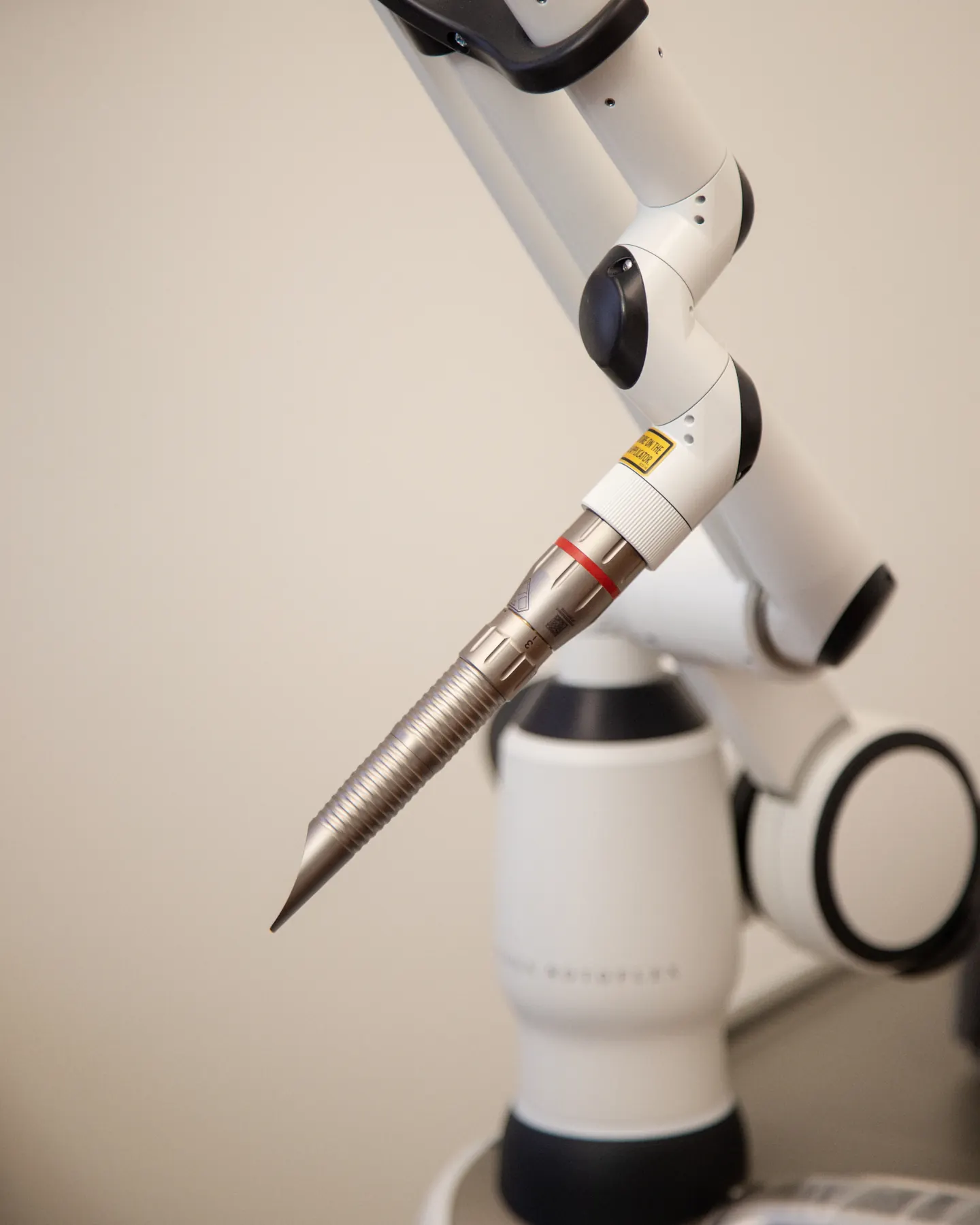

There is a specific type of patient who asks about skin rejuvenation and then leans back the moment injectables come up. Some dislike needles. Some have had filler done elsewhere and do not want more volume. Others are not trying to change their face at all, they just want fresher skin, tighter contours, and a less tired look. For that group, the Fotona 4D Laser Facial (TimeWalker) sits in an interesting middle ground. It is not a spa facial, and it is not surgery. It is a layered laser treatment designed to improve tone, texture, laxity, and overall skin quality without injections.
That distinction matters because many people arrive expecting one laser to do one thing. In practice, the most successful skin renewal treatments usually combine several mechanisms. You need collagen stimulation, controlled resurfacing, and some degree of tightening if you want the face to look genuinely better rather than simply red for a few days. The appeal of Fotona 4D is that it approaches aging skin from multiple angles in one session, including from inside the mouth, where collagen support can be targeted without puncturing the skin.
TimeWalker is the platform name often associated with Fotona’s aesthetic systems, and the Fotona 4D protocol is one of its best-known facial rejuvenation options. The “4D” refers to four treatment modes performed in sequence. While clinics may customize settings and sometimes modify the order, the overall concept stays consistent: treat deeper support, then superficial quality, with minimal downtime compared with more aggressive ablative procedures.
What the treatment actually is
The phrase “laser facial” can sound softer than the reality, so it helps to be precise. Fotona 4D is a physician-delivered or medically supervised laser treatment that typically combines Er:YAG and Nd:YAG wavelengths. Those lasers behave differently in tissue. One is useful for very controlled superficial work and polishing. The other penetrates Fotona 4D Laser Facial (TimeWalker) more deeply and is often used for heating tissue in a way that encourages remodeling.
That layered approach is the point. Mature skin rarely has only one problem. A patient may have early sagging around the jawline, fine creasing around the mouth, enlarged pores across the cheeks, and dullness that makes the face look flatter than it is. A single pass with a single technology may help one of those concerns but miss the rest. Fotona 4D tries to stack modest improvements across several categories. The result, when it goes well, is not dramatic in the overfilled sense. It is usually a more rested, firmer, smoother version of the same face.
One of the more distinctive parts of this treatment is the intraoral phase, often called SmoothLiftin. The laser is applied inside the mouth, along the cheeks and around the perioral area, to heat tissue from beneath. Patients are often surprised by this step because it sounds unusual, but it is one reason the procedure appeals to people who want support around the nasolabial folds or mouth area without filler. It does not replace filler in someone with substantial volume loss, but it can improve the quality and support of the tissue in a subtle, natural-looking way.
Why some patients choose this over injectables
There is no reason to pretend laser and injectables are interchangeable. They are not. Botulinum toxin reduces dynamic muscle movement. Filler restores or reshapes volume. Lasers improve skin behavior and, depending on the device and settings, can tighten, resurface, or stimulate collagen. A good treatment plan often uses more than one category.
Still, there is a growing set of patients who actively prefer energy-based procedures. Some want to avoid the maintenance cycle of injectables. Some have seen faces become puffy from too much filler placed over too many years. Others simply do not need volume as much as they need better skin quality. In a clinic setting, these are often the men and women who say, “I want people to notice I look better, not that I had something done.”
That is where Fotona 4D Laser Facial (TimeWalker) makes sense. It can soften early lines, improve pore appearance, brighten texture, and create a mild tightening effect without changing facial identity. On the right patient, especially someone in their thirties through fifties with mild to moderate signs of aging, it can be a strong fit. On someone with advanced laxity, jowling, or substantial volume loss, it may still help, but expectations need to be realistic. A laser cannot do the work of a facelift, and no ethical practitioner should suggest otherwise.
The four dimensions, and what each stage is trying to do
Although exact branding language can vary, the treatment usually consists of four steps that build on one another. Understanding these steps helps patients know why the session takes longer than a simple light treatment and why the outcome is more than skin-deep.
First comes the intraoral tightening component. This targets the mucosal tissue inside the mouth to encourage collagen contraction and remodeling in the support structures around the cheeks and mouth. In practical terms, this is meant to improve the appearance of smile lines and support the mid-to-lower face.
The second phase usually involves a deeper external tightening pass with the Nd:YAG laser. This warms tissue in a controlled way, often focusing on areas where mild laxity is visible, such as the lower cheeks, jawline, or under the chin. It is less about peeling skin and more about building firmness over time.
The third phase often addresses surface imperfections. Depending on settings, the Er:YAG laser can lightly polish the skin and target textural irregularities, enlarged pores, and fine lines. This is where many patients get that smoother, fresher look.
The final phase may be a very light finishing pass, sometimes described as a superficial peel or “cold” ablation, intended to refine the skin and enhance radiance. When the protocol is balanced well, each step is modest on its own. The value comes from the combination.
A well-performed session feels deliberate rather than rushed. There is a reason experienced providers spend time adjusting parameters according to skin type, laxity, sensitivity, and the patient’s tolerance for downtime. The same technology can be underused and produce little change, or overused and create an unnecessarily difficult recovery.
What it feels like during treatment
This is not usually a treatment patients describe as relaxing, though it is generally tolerable. The internal mouth portion feels warm and strange rather than sharply painful. The external tightening passes create bursts of heat. The resurfacing portion tends to be the spicier part, depending on how aggressive the settings are and whether topical numbing is used.
Most clinics use topical anesthetic, cooling measures, or both. Some also use air cooling during the more superficial passes. Patients often compare the sensation to repeated snaps of heat against the skin. The stronger the resurfacing settings, the more likely you are to feel a prickling or stinging afterward, similar to a moderate sunburn.
Treatment time usually ranges from around 45 minutes to 90 minutes, depending on whether the full face is treated and whether the neck is included. The shorter end tends to reflect lighter settings or a streamlined protocol. The longer end is more common when the provider is thorough and adds the neck or periocular area.
Downtime is real, but it is usually manageable
One reason this treatment has become popular is that it often offers visible improvement without the recovery profile of a fully ablative resurfacing laser. That said, “minimal downtime” can be interpreted too loosely. Some patients are pink for a day. Others are quite red and puffy for several days, especially around the mouth and under the eyes. Skin may feel dry, rough, or bronzed as it heals. Makeup timing depends on how much superficial resurfacing was performed.
I usually think about recovery in terms of social downtime, not just biology. If a person can work from home and does not mind looking flushed on video, they may say they had almost no downtime. If they have an in-person event in two days and want completely calm skin, that is a different standard. In practice, many people plan for a few quieter days after treatment, just to be safe.
The neck and around-the-mouth region often show the most obvious post-treatment changes. Patients who are prone to swelling can look puffier the next morning before they look better. That can be unsettling if they were told to expect “just a little pinkness.” Honest counseling helps. Better to be pleasantly surprised by an easy recovery than alarmed by a normal one.
Who tends to be a good candidate
Good candidates usually share a few traits. They want improvement in skin quality and mild tightening, they understand that collagen remodeling is gradual, and they are not expecting surgical lifting from a laser. They also tend to be willing to do a series if needed. One treatment can help, but the best results often come from multiple sessions spaced several weeks apart.
Skin type matters. Laser settings should be individualized for lighter and darker skin tones because the risk profile changes, especially when more heat or superficial resurfacing is involved. A clinic that treats a broad range of skin tones confidently should be able to explain how they adjust treatment to reduce the risk of post-inflammatory hyperpigmentation and why pre-treatment skin preparation may matter.
The treatment can be especially satisfying for patients with early crepiness around the mouth, texture changes on the cheeks, or dull skin that no longer responds to facials or skincare alone. It is also useful for people who want a “prejuvenation” approach, meaning they are not correcting advanced aging so much as trying to slow visible decline while keeping their face natural.
When it may not be the best fit
Fotona 4D is not a universal answer. Some cases call for a different tool or a combined plan. A patient with deep static lines etched into the skin may need stronger resurfacing than this protocol usually provides. Someone with significant hollowing under the eyes or through the midface will not regain lost volume from laser treatment. And someone with pronounced skin laxity may ultimately be disappointed if they choose repeated noninvasive procedures instead of considering surgery.
It is also not ideal when timing is tight and the skin barrier is already compromised. People with active dermatitis, a recent aggressive peel, uncontrolled acne flares, or active cold sores around the mouth should be assessed carefully and treated only when appropriate. Those with melasma need thoughtful counseling because heat-based treatments can worsen pigment in some patients if settings are not chosen carefully or if aftercare is poor.
The hardest conversations, in my experience, are not about risk. They are about mismatch between goals and mechanism. A patient says they do not want filler but wants the cheek support filler gives. Or they do not want surgery but want a jawline only surgery can create. Good aesthetic medicine depends on saying no sometimes.
What kind of results people can realistically expect
The first visible changes often come from the superficial side of treatment. Skin can look brighter, smoother, and more refined within days to a couple of weeks once the initial redness settles. The tighter, more supported look takes longer because collagen remodeling is gradual. Most providers quote several weeks to a few months for fuller results.
The outcome is usually best described as cumulative. One session may make the skin look healthier and slightly firmer. A series can make that improvement more obvious. In the right patient, the face looks less fatigued, pores look less prominent, and the lower face appears subtly more toned. That word, subtle, is important. Skilled providers value it because subtle often ages better than dramatic.
A common pattern is this: after the first treatment, friends say someone looks well-rested. After the second or third, the patient notices makeup sits better, the mouth area seems less crinkled, and photos in natural light are more forgiving. Those are meaningful outcomes, even if they do not create a dramatic before-and-after image designed for social media.
Fotona 4D Laser Facial (TimeWalker)Aftercare has a direct effect on how well you heal
Most clinics provide detailed instructions, and patients should follow those rather than generic internet advice. Still, the broad principles are consistent. Keep the skin calm, clean, moisturized, and protected from sun exposure. Avoid aggressive actives until the barrier recovers. Do not assume that because the treatment is called a facial, normal skincare can continue the next morning.
A sensible recovery routine usually includes:
- Gentle cleansing with lukewarm water, no scrubs or exfoliating brushes.
- A bland moisturizer used generously while the skin feels dry or tight.
- Strict sun protection, including shade and a broad-spectrum sunscreen once the provider says it is appropriate.
- A temporary pause on retinoids, acids, and strong vitamin C if the skin is irritated.
- Immediate contact with the clinic if swelling, crusting, or pigment changes seem unusual.
That advice sounds simple, but compliance is not always simple. The patients who run into avoidable problems are often the ones who resume their usual acid pads, retinoids, or gym routine too quickly. Heat, friction, and active ingredients can push recovering skin in the wrong direction.
How it compares with other popular treatments
Patients often ask how Fotona 4D differs from radiofrequency microneedling, fractional CO2, IPL, or a Hydrafacial. The short answer is that they are solving different problems at different intensities.
A Hydrafacial cleans and hydrates. It can leave the skin looking fresh for a short period, but it is not a collagen remodeling treatment. IPL targets pigment and redness more than laxity. Radiofrequency microneedling can be excellent for texture, acne scarring, and some tightening, but it still involves needles and has its own risk profile. Fractional CO2 is often more aggressive for lines and texture, but downtime is typically greater, and not every patient wants or needs that level of treatment.
Fotona 4D occupies a useful middle lane. It can address several signs of aging in one protocol without puncturing the skin and without the recovery associated with heavy ablative resurfacing. That does not make it better in every case. It makes it versatile.
Cost, maintenance, and the value question
Pricing varies by region, provider expertise, and whether the neck is included. In many markets, the treatment sits comfortably above a conventional facial and below surgical intervention, but that range is broad enough that patients should ask exactly what is included. A lower price may reflect a shorter, lighter session. A higher price may reflect physician oversight, better customization, or inclusion of multiple facial zones.
Maintenance is another practical issue. Some patients do one treatment before an event and enjoy the glow. Others commit to a series of three, then return once or twice a year. The value depends on goals. If a person wants a very natural, low-intervention maintenance plan and responds well to energy-based procedures, the investment often makes sense. If they need major correction, repeated moderate treatments can eventually cost more than a more definitive option while delivering less.
This is where honest treatment planning matters more than the machine itself. A good clinic will not push a package simply because a package exists. It will look at the face, the timeline, the budget, the patient’s tolerance for downtime, and the endpoint they actually care about.
Questions worth asking before you book
Choosing the provider matters at least as much as choosing the platform. The same device in careful hands and careless hands can produce very different outcomes. Before scheduling, it helps to ask a few direct questions.
- How many Fotona 4D or TimeWalker facial treatments do you perform in a typical month?
- Will you treat my specific concerns, such as mouth lines, pores, or jawline laxity, with customized settings?
- What downtime should I expect based on my skin type and the intensity you recommend?
- Do you have before-and-after photos of patients with concerns similar to mine?
- If I am not an ideal candidate, what alternative would you suggest instead?
Those questions do more than gather information. They reveal whether the consultation is thoughtful or sales-driven. A strong provider can explain not just what the treatment does, but what it does not do.
The bottom line on Fotona 4D Laser Facial (TimeWalker)
Fotona 4D Laser Facial (TimeWalker) has earned its place because it answers a real need. Many patients want visible skin renewal, some tightening, and a fresher appearance without needles, major downtime, or obvious alteration. This treatment can do that, especially for early to moderate aging changes and for people who care more about skin quality than volume.
Its strengths are nuance and versatility. It can brighten dull skin, refine texture, soften early lines, and create a modest firming effect through layered laser work that treats both deeper tissue and the surface. Its limitations are equally important. It will not replace filler when volume is missing, and it will not replace surgery when laxity is advanced.
For the right patient, with the right settings, delivered by someone who understands both laser physics and facial aging, it is one of the more elegant noninvasive rejuvenation options available. The best results do not scream “procedure.” They read as healthier skin, better support, and a face that looks like it has had rest, not reinvention.
OMNIA Wellness Center
Address: 16430 Ventura Blvd Ste 207, Encino, CA 91436
Phone: (818) 386-8511
FAQ About Fotona 4D Laser Facial (TimeWalker)
What are the benefits of Fotona laser treatment?
OMNIA offers this treatment for concerns such as uneven texture, dull tone, and fine lines. Results and the number of sessions vary, so discuss your goals with a provider.
Is Fotona laser safe?
A qualified provider should review your skin, medical history, medications, and recent sun exposure to determine whether the treatment is appropriate. Ask about possible irritation, pigment changes, and aftercare before booking.
How much does a Fotona 4D facelift cost?
Price depends on the treatment plan and number of visits. Ask OMNIA for an itemized estimate during your consultation.