Fotona 4D Laser Facial (TimeWalker) Encino, CA: Is There Any Downtime?
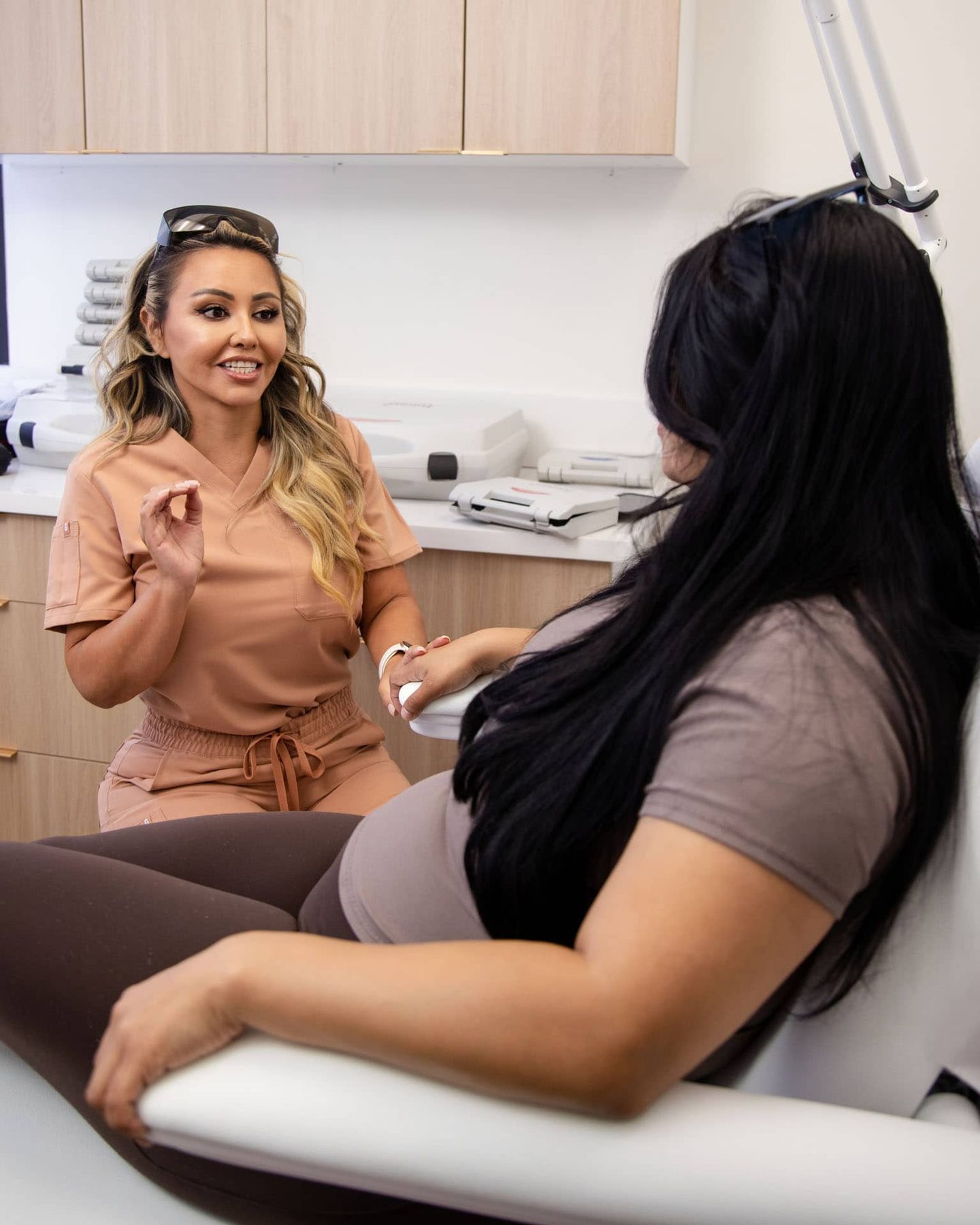
If you are looking into a Fotona 4D Laser Facial (TimeWalker) in Encino, CA, the first question is rarely about the science. It is usually much more practical: can I do this and still show my face tomorrow?
That is the right question to ask. Most people are not planning cosmetic treatments around a week at home with ice packs and oversized sunglasses. They want visible improvement, but they also need to work, drive kids to school, take meetings, go out to dinner, and generally live their lives. With Fotona 4D, the answer is usually reassuring, but it is not quite as simple as “no downtime” for every single person in every single case.
In real practice, downtime after Fotona 4D tends to be mild and short. Many patients return to normal activity the same day or the next day. That said, “normal activity” does not always mean looking completely untouched. Some people leave a session a little pink, warm, or mildly puffy. Others have almost no visible signs beyond a post-treatment glow. The variation depends on how the treatment is customized, how reactive your skin is, and what level of intensity your provider uses.
Understanding what downtime actually looks like matters more than the label. The phrase “little to no downtime” gets used often in aesthetics, and it can be technically true while still leaving out details people care about. If you have a wedding in two days, an on-camera presentation tomorrow, or a history of sensitive skin, you want specifics.
What Fotona 4D actually is
Fotona 4D is a non-surgical laser treatment designed to address skin quality, texture, fine lines, laxity, and overall rejuvenation. The TimeWalker platform is known for combining several complementary laser modes in one treatment. Instead of relying on a single pass or one type of energy, the treatment typically works in layers, both inside and outside the mouth and across the skin surface, to stimulate collagen and improve tone and tightness.
One reason this treatment has attracted so much attention is that it aims to create visible improvement without the kind of recovery associated with more aggressive resurfacing. It is often chosen by people who want to look fresher, firmer, and more rested, but are not ready for surgery and do not want the social downtime of a deeper ablative laser.
That distinction is important. Fotona 4D is not the same thing as a strong fully ablative resurfacing procedure that can keep someone red and peeling for a week or more. It also is not identical to a light lunchtime facial with no lingering heat or flush at all. It sits in a very appealing middle ground, and that is exactly why the downtime question comes up so often.
So, is there any downtime?
Usually, there is minimal downtime, not always zero downtime.
For many patients, the immediate after-effects are mild enough that they can go back to errands, desk work, or low-key social plans the same day. A person may look a bit pink, especially around the cheeks and mouth, almost as if they spent a little too long in the sun or finished a brisk workout. That redness often fades within a few hours, though in some cases it can linger into the next day.
Mild swelling can happen, particularly in the under-eye area or around the mouth, where skin is thinner and more reactive. Some people describe a sensation of warmth or tightness for the rest of the day. The skin can also feel slightly dry or rough for a short period afterward. These reactions are common and generally manageable.
When patients ask whether they can wear makeup the next day, the answer is often yes, depending on how the skin looks and on the provider’s aftercare instructions. If they ask whether they will peel dramatically, the answer is usually no, at least not in the way people associate with stronger resurfacing treatments. Fine flaking can happen in some cases, but heavy peeling is not the typical outcome.
So the most accurate answer is this: there is usually very little downtime, but there can be a short window of visible redness, sensitivity, or puffiness. For many people, that is a worthwhile trade for a treatment designed to improve skin tone, texture, and firmness without a major recovery period.
Why one person bounces back fast and another needs a day or two
The phrase “downtime” sounds universal, but recovery after laser work is personal. The same settings will not produce the exact same response in every face. Skin biology, treatment intensity, and even the time of year can influence what you see in the mirror afterward.
A fair-skinned patient who flushes easily may stay pink longer than someone whose skin is less reactive. A person treating significant texture changes or deeper lines may need a more assertive session than someone coming in for maintenance, and that can affect recovery. If the provider is combining modes to target laxity, texture, and pigment in a more comprehensive way, the skin may show more temporary signs of treatment.
Encino adds its own practical factor: sun exposure. Southern California sun is not subtle, and even when people are careful, they tend to accumulate incidental exposure just by living normal lives. If you have baseline sun sensitivity, a lot of outdoor driving, or a recent tan, your provider may adjust the plan or advise postponing treatment. That is not a minor detail. Laser work and recent sun exposure are not a good mix.
There is also the issue of expectation. Some patients hear “non-surgical” and imagine absolutely nothing visible after treatment. That is not realistic. Non-surgical does not mean invisible. It means less invasive, with less recovery than stronger procedures. Most experienced practices will explain that upfront, because it saves people from avoidable surprises.
What the first 24 to 72 hours usually feel like
The best way to think about the recovery window is in phases, not in dramatic milestones.
Right after treatment, the skin often feels warm, similar to the sensation after a hot shower, a workout, or a mild sun exposure. Redness may be patchy or fairly even, depending on the areas treated and your natural vascular reactivity. If the treatment includes intraoral work, meaning laser delivery inside the mouth, some patients notice a sense of tightness or mild tenderness in the surrounding tissues afterward, but it is usually not severe.
By the evening, many people are simply aware that they had something done. The face may feel a bit drier than usual, and they may be more conscious of heat, wind, active skin care, or friction from scrubbing. This is not the night to experiment with retinoids, exfoliants, or strong actives.
The next day is often the point when patients can best judge their own “social downtime.” Some look nearly normal and go about the day without a second thought. Others still have mild pinkness or puffiness that is noticeable mainly to them, and occasionally to anyone who knows their face very well. It is uncommon for the average person on the street to identify that a laser treatment was done, but if you are preparing for a major event or photos, give yourself a little buffer.
By 48 to 72 hours, most of the temporary visible response has settled. Skin may feel smoother, brighter, or tighter, though the longer-term collagen remodeling takes more time. Fotona 4D is not a one-afternoon miracle. Like many collagen-stimulating treatments, some of the payoff unfolds gradually over weeks.
The kind of downtime people care about most
When patients ask about downtime, they are often asking several different questions at once.
They want to know whether they will be in pain. They want to know whether they can go to work. They want to know whether they can wear makeup, exercise, or attend a social event. And sometimes they want to know whether someone will look at them and immediately realize they had cosmetic treatment.
Those are not the same issue.
Pain after Fotona 4D is generally mild. Most people describe heat, tightness, or sensitivity more than true pain. Work is usually possible right away, especially if your job is indoors and not physically demanding. Makeup is often possible within a day, though exact instructions vary. Exercise may need to wait briefly if your provider wants you to avoid excess heat and flushing immediately after treatment. Social visibility depends on your skin’s response, the treatment settings, and how comfortable you are appearing mildly pink.
This is why it is smart to schedule a first session when you have a little flexibility, not on the morning of a major event. Once you know how your skin responds, future planning becomes much easier.
How Fotona 4D compares with other facial rejuvenation treatments
The appeal of Fotona 4D in Encino, CA often comes down to balance. It aims to do more than a light facial, while asking less recovery than more aggressive resurfacing. That balance is what attracts busy professionals, parents, performers, and anyone else who wants visible improvement without disappearing for a week.
Compared with injectables, the downtime profile is different rather than automatically better. Botox or similar neuromodulators often have almost no recovery, aside from tiny bumps or occasional bruising. Fillers can be quick too, but bruising and swelling can be unpredictable. Fotona 4D does not rely on volume replacement. Instead, it focuses on skin quality and collagen stimulation, which appeals to people who want a fresher look without added fullness.
Compared with stronger ablative lasers, Fotona 4D is usually far easier socially. That does not mean the results are identical. Deeper resurfacing can produce more dramatic changes in some concerns, especially severe sun damage or deeper wrinkles, but it asks much more of the patient in recovery. Good treatment planning is always a matter of matching the intervention to the goal.
Compared with radiofrequency microneedling, the decision often comes down to skin concerns, tolerance for recovery, and provider preference. Some people experience more visible pinpoint marks or swelling after microneedling, while others do very well with it. There is no universal winner. The best choice depends on what you are treating.
The provider matters more than the brochure
A device name can sound impressive, but outcomes depend heavily on who is using it and how. That is especially true with treatments that can be adjusted in multiple modes and intensities.
A skilled provider will look at more than wrinkles. They will assess skin thickness, redness tendency, pigmentation risk, hydration, sun history, and whether you are a person who can comfortably tolerate even minor social downtime. They will also ask about medications, cold sore history if relevant, and skin care habits, because all of that affects planning.
This matters in Encino because patients often want to thread a needle. They want polished results that still look natural, and they want little interruption to work and social life. Achieving that balance takes judgment. Over-treating a patient right before an event is a classic avoidable mistake. So is under-treating someone who expects dramatic change from a very conservative session.
The best consultations tend to be honest about trade-offs. If you want the lightest possible recovery, the provider may choose gentler settings, but the outcome may be more subtle or may require a series. If you want stronger correction and can tolerate a brief period of redness or swelling, the treatment may be adjusted accordingly.
A few practical guidelines after treatment
Most aftercare for Fotona 4D is straightforward, but following it makes a real difference in how comfortably the skin recovers. This is not the time to “push through” with active products or heat exposure.
- Keep skin care simple for the first day or two, with gentle cleansing, bland moisturizer, and broad-spectrum sunscreen.
- Avoid retinoids, exfoliating acids, scrubs, and other irritating actives until your provider says your skin is ready.
- Skip intense workouts, saunas, and prolonged heat exposure immediately after treatment if advised, especially if you flush easily.
- Protect the skin from direct sun carefully, particularly in the Encino climate where incidental UV exposure adds up fast.
- Follow any personalized instructions about makeup, antiviral medication, or product use based on your skin history.
These basics are not glamorous, but they reduce unnecessary irritation and help your results look better sooner.
Who tends to love this treatment, and who should pause
The ideal Fotona 4D patient is often someone who wants meaningful rejuvenation without surgery and without the more obvious recovery associated with deeper resurfacing. They may be noticing early to moderate laxity, fine lines around the mouth, texture changes, or a generally tired quality to the skin. They want improvement, but they still need to function in public the next day.
Patients who do best usually have realistic expectations. They understand that one treatment can help, but a series may be recommended depending on the starting point. They also understand that “no downtime” in marketing language may really mean “very manageable downtime.”
There are also situations where caution makes sense. If you have an active skin infection, significant recent sun exposure, a tendency toward post-inflammatory hyperpigmentation, or a major event in the next 24 to 48 hours, your provider may advise waiting or modifying the plan. Pregnancy, certain medications, and some medical conditions also require individualized screening. None of that is unusual. It is just competent laser medicine.
What to ask at your consultation in Encino
A good consultation should leave you with a clear picture of what your own downtime is likely to be, not a generic promise.
Ask how red people typically look after the specific settings recommended for you. Ask whether swelling is common in your treatment areas. Ask how soon you can return to exercise, makeup, and normal skin care. If you have an event coming up, say so plainly. If your job puts you on camera or face-to-face with clients, mention that too. Those details matter.
It also helps to ask whether your goals are best served by Fotona 4D alone or by a broader plan. Fotona 4D Laser Facial (TimeWalker) Encino, CA omniawellnesscenterencino.com Sometimes skin quality improves beautifully with laser, but static etched lines, volume loss, or significant pigmentation may call for additional treatment types. Clear planning tends to produce better satisfaction than chasing everything with one device.
If a practice talks only in superlatives and never mentions variability, that is not reassuring. Thoughtful providers explain what usually happens, what occasionally happens, and what can be done to minimize visible recovery.
The honest answer most patients are looking for
For most people considering a Fotona 4D Laser Facial (TimeWalker) in Encino, CA, downtime is light enough to fit into a normal schedule. You may be pink for a few hours. You may be mildly puffy or dry into the next day. You probably will not need to hide at home, but you also should not expect the skin to look exactly untouched the moment you leave the office.
That middle ground is the real story, and for many patients it is exactly the point. They want a treatment that respects their calendar while still doing enough to justify the appointment. Fotona 4D often fits that need well when it is performed by an experienced provider, matched to the right patient, and planned with realistic expectations.
If you are weighing whether this treatment works with your schedule, think less in terms of the absolute word “downtime” and more in terms of social visibility, skin sensitivity, and your own comfort level. For someone with a flexible routine, the recovery may feel like almost nothing. For someone with a major event the next morning, even mild redness may matter.
That is why the best answer is personal, but still grounded in experience: yes, there can be a little downtime after Fotona 4D, though it is usually brief, manageable, and far less disruptive than many people fear.
OMNIA Wellness Center
16430 Ventura Blvd Ste 207, Encino, CA 91436
Phone: +1 818-386-8511
FAQ About Fotona 4D Laser Facial (TimeWalker) Encino, CA
What is a Fotona laser good for?
Fotona lasers support several different aesthetic protocols. The Fotona 4D facial uses two wavelengths and four treatment modes to address concerns such as fine lines, skin texture, and mild laxity. OMNIA Wellness Center offers the TimeWalker facial with an individual consultation. Suitability and likely improvement depend on the person's skin and goals; results are not guaranteed, and this treatment does not reproduce a surgical facelift.
How much does a Fotona laser treatment cost?
The cost depends on the treatment protocol, areas treated, number of sessions, and provider's assessment. Ask OMNIA Wellness Center for a current written quote that explains what is included, whether follow-up is included, and any proposed package terms. An individualized estimate is more useful than assuming that one advertised price applies to every facial treatment.
How much downtime is there after a Fotona laser procedure?
Recovery varies with the specific protocol and intensity. Fotona describes its 4D facial as having little to no downtime, but temporary redness or sensitivity can occur, and a stronger surface treatment can require more recovery. Ask the treating clinician what to expect from the planned settings, how to care for the skin afterward, and when to contact the clinic with concerns.