Fotona 4D Laser Facial (TimeWalker) Encino, CA: Comfort, Convenience, and Results
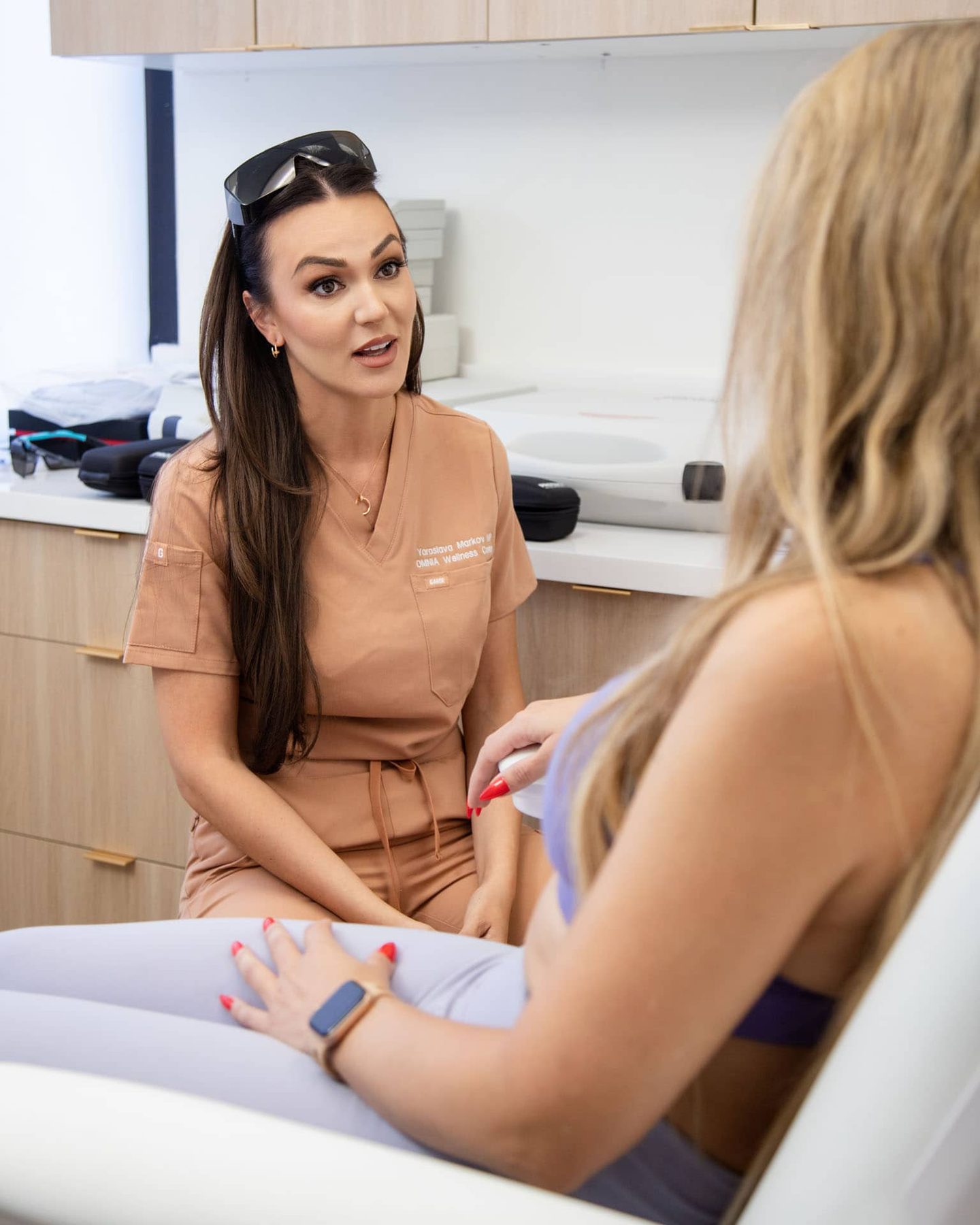
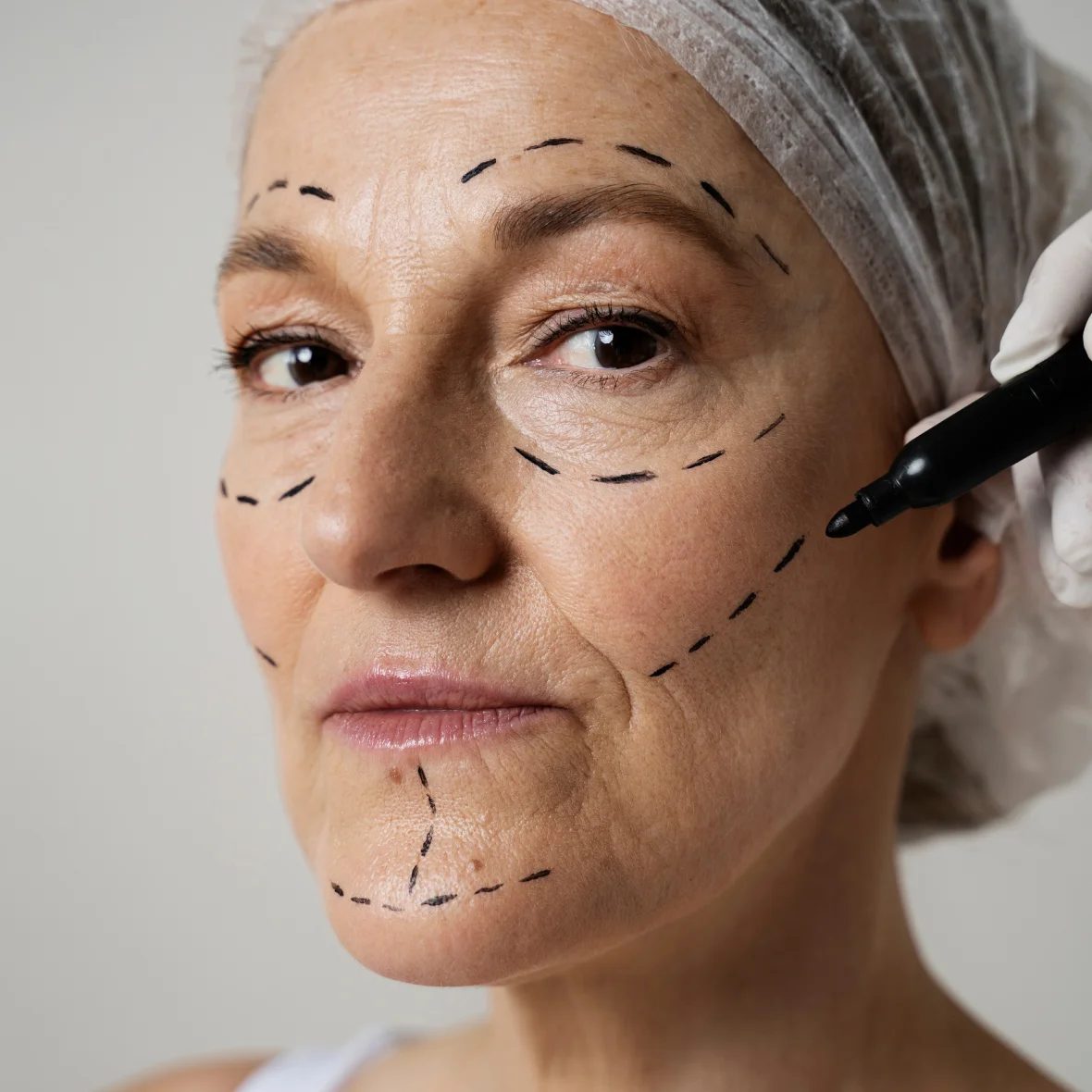
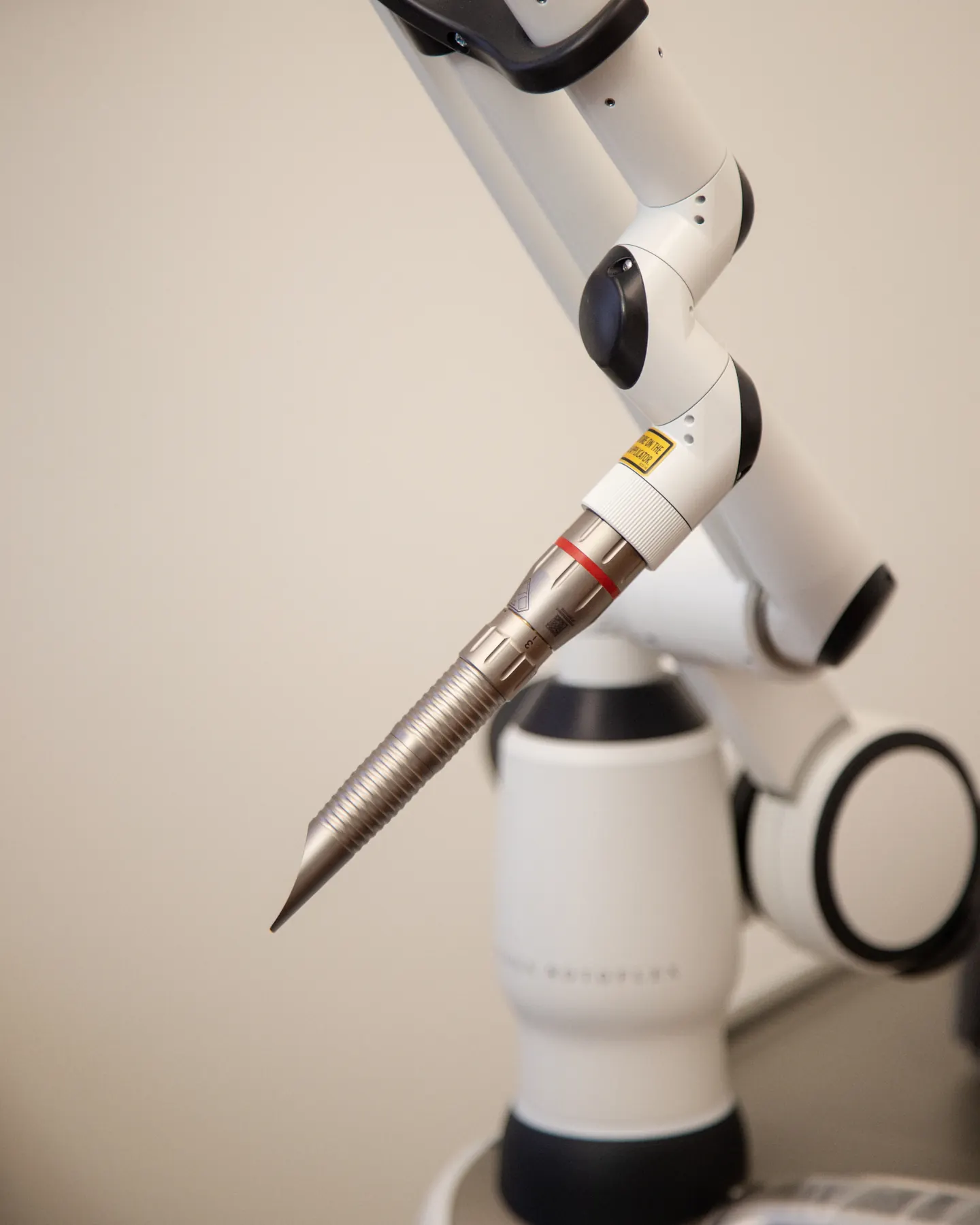
For patients who want visible skin rejuvenation without committing to a long recovery, the appeal of Fotona 4D is easy to understand. It sits in that practical middle ground between a basic facial and a more aggressive resurfacing treatment. People can address laxity, texture, fine lines, and overall skin quality in a way that feels modern but not extreme.
That balance matters, especially in a place like Encino, where schedules are full and appearance goals tend to be specific. Most people are not looking for a dramatic, overnight transformation that leaves them housebound for two weeks. They want improvement they can actually fit into real life. They want to know whether a treatment is tolerable, whether they can go back to work, how soon they may look a little more refreshed, and whether the cost and time make sense for the payoff.
The Fotona 4D Laser Facial (TimeWalker) Encino, CA conversation usually starts there, with practical questions rather than marketing language. Comfort. Convenience. Results. Those are the metrics patients care about, and they are the right ones to focus on.
Why Fotona 4D gets attention
Fotona 4D is often discussed as a non surgical or minimally invasive rejuvenation option because it approaches aging skin from more than one angle. Rather than relying on a single pass with a single setting, the treatment concept uses different laser modes to work on deeper tissue support, surface quality, and overall skin tightening. In plain terms, the goal is not only to polish the skin but also to stimulate a firmer, more lifted look over time.
That distinction is important. Many treatments make skin look brighter for a few days. Fewer treatments try to improve the actual architecture that contributes to how the face ages. The reason patients find Fotona 4D compelling is that it aims for both. It can support collagen remodeling, soften textural irregularities, and create a fresher look without pushing every patient into the downtime category associated with more aggressive ablative procedures.
The TimeWalker platform has also drawn interest because it packages these concepts in a way that feels streamlined. For the patient, that usually translates to a single appointment that targets multiple concerns. For the provider, the value lies in customization. Different skin types, ages, and concerns rarely benefit from the exact same settings, and this is one area where experience matters more than branding. The platform matters, but the treatment plan matters more.
What the treatment usually involves
A true Fotona 4D treatment is not simply a quick laser pass over the cheeks. It is designed as a layered protocol. One of its better known features is the intraoral component, where energy is delivered from inside the mouth to treat tissue around the nasolabial folds and lower face. That tends to surprise first time patients, but it is part of what makes the treatment feel different from surface only options.
From there, treatment generally progresses through additional steps that may target deeper tightening, superficial pigmentation or texture issues, and final polishing. The exact sequence, settings, and intensity can vary based on skin condition and provider preference. Some patients need more emphasis on texture and pores. Others are more concerned with early jowling, lower face heaviness, or crepey change around the mouth.
That tailored aspect deserves emphasis. In real practice, the best outcomes often come from matching the treatment to the face in front of you rather than promising the same result for everyone. A patient in their late thirties with mild laxity and post sun roughness is a different case from a patient in their sixties with pronounced volume loss and deeper etched lines. Fotona 4D can help both, but not in identical ways, and not to the same degree.
The comfort question patients ask first
If you ask what people want to know before they book, pain usually comes before price. That is not because patients are shallow or anxious. It is because laser treatments vary wildly in feel. Some are warm and strange. Some are genuinely painful. Some start easy and become uncomfortable in the final passes.
Fotona 4D usually falls into the tolerable category for many patients, but that word needs context. Tolerable does not mean sensation free. People often describe portions of the treatment as warm, prickly, or like repeated snaps of heat. The intraoral section can feel unusual more than painful. The deeper tightening phases may create a sense of heat build up. The polishing stage can feel sharper depending on settings and sensitivity.
Topical numbing may be used in some offices, while others rely on air cooling, pacing, and technique. Comfort also depends on whether the treatment is conservative or aggressive. A patient who wants a lighter session before an event may have a very different experience Fotona 4D Laser Facial (TimeWalker) Encino, CA from a patient pursuing stronger textural improvement.
Several factors influence how easy the appointment feels:
- individual pain tolerance
- treatment intensity and settings
- the use of numbing or cooling support
- the areas being treated
- provider technique and pacing
That last point is often underrated. An experienced operator knows when tissue is responding well, when to pause, and how to keep the treatment efficient without making it feel rushed. In cosmetic laser work, technical skill and bedside manner often show up in the same place, patient comfort.
Downtime is where Fotona 4D often makes sense
One reason the Fotona 4D Laser Facial (TimeWalker) Encino, CA search is so common is that many patients want meaningful rejuvenation with manageable recovery. Downtime is not just a vanity issue. It affects work calendars, social plans, exercise routines, childcare, and daily confidence.
Compared with more intensive resurfacing, Fotona 4D generally offers a gentler social recovery for many patients. That does not mean no downtime at all. Mild redness, warmth, temporary swelling, and a slightly rough or dry feel can happen. If the treatment includes a stronger resurfacing component, some patients may notice a bronzed or sandpapery texture before the skin smooths out.
A lot depends on settings and treatment depth. A lighter session may leave someone pink for a day. A more assertive session may create a few days of visible dryness or puffiness. In practice, many people are comfortable returning to normal routines quickly, but they still appreciate planning a little breathing room rather than scheduling treatment the night before an important event.
The convenience factor becomes even more relevant in Encino, where patients often want appointments that fit between work, family obligations, and traffic realities. A treatment that can be done in office, without surgical prep or prolonged recovery, has obvious appeal. People are not just buying the technology. They are buying a process they can realistically complete.
What kind of results are realistic
This is the part where honest guidance matters most. Fotona 4D can produce beautiful improvements, but it is not a face lift and should not be sold like one. The best candidates usually have mild to moderate signs of aging, early skin laxity, textural changes, or a tired quality that does not match how they feel. In those patients, the treatment can refresh contours, refine the surface, and create a firmer, smoother appearance over time.
Some results may be visible relatively soon. Skin can look fresher and more luminous after the early healing period. Tightening and collagen related changes typically build gradually over the following weeks and months. For many patients, that progressive improvement is actually part of the appeal. They look better, but not abruptly altered.
Expectation setting is where treatment success is often won or lost. Someone hoping to erase deep static folds, remove significant sagging, or achieve dramatic lifting may be disappointed if they choose laser alone when surgery or injectables would be more appropriate. On the other hand, someone with realistic goals may be delighted by the cumulative effect, especially when the face simply appears more rested, smoother, and slightly tighter in a way other people notice without being able to name.
In experienced practices, providers often discuss results in terms of categories rather than guarantees. Better texture. Softening of fine lines. Improvement in tone. Mild to moderate tightening. A more refined lower face. Those are grounded, defensible outcomes. They may not sound flashy, but they are exactly the changes many patients want.
Who tends to do well with it
The strongest candidates are usually people who still have good skin reserve. They may be seeing early laxity around the mouth or jawline, subtle volume shifts, enlarged pores, superficial textural roughness, or mild creasing that makeup now settles into. They are often not ready for surgery, or they do not want surgery, but they also want more than a standard facial can deliver.
Skin type, tanning habits, medical history, and previous procedures all matter. Laser settings often need thoughtful adjustment for darker skin tones or pigment prone patients. A recent tan, active irritation, certain medications, cold sore history, or unresolved inflammation can change timing and planning. This is another area where a careful consultation matters more than broad promises online.
A good provider should be willing to say when Fotona 4D is not the best answer. If major volume loss is the dominant issue, biostimulatory injectables or filler may play a larger role. If severe skin laxity is present, energy based treatment may offer only modest improvement. If pigmentation is the primary complaint, another laser or a pigment focused approach may be more efficient. The treatment earns trust when it is recommended selectively, not reflexively.
How many sessions people usually need
Patients always hope one treatment will solve everything. Sometimes a single session creates a visible boost, particularly for a special occasion or for patients with milder concerns. More often, providers recommend a series, with spacing based on healing and treatment goals. Maintenance sessions may also be Fotona 4D Laser Facial (TimeWalker) Encino, CA suggested after the initial course.
There is no honest universal number because faces do not age in the same way. A younger patient seeking preventive support may respond well with fewer treatments. Someone targeting established photoaging and laxity may need more. Treatment intensity matters too. A stronger session may reduce the number of visits, while lighter settings may call for a longer series.
What patients should listen for during consultation is not a magic number but the reasoning behind the plan. Why this many sessions. Why this interval. What is the provider expecting each stage to accomplish. When the explanation is clear, the plan tends to be better grounded.
The convenience factor in Encino is real
A treatment can be clinically impressive and still fail in daily life if it is too disruptive. That is one reason the local context matters. Patients looking for Fotona 4D Laser Facial (TimeWalker) Encino, CA are often comparing not just technologies, but logistics. Can they get treated close to home or work. Can they be in and out without dedicating an entire day. Can they manage recovery without canceling everything else.
In practical terms, convenience shapes compliance. People complete treatment series when scheduling feels manageable. They return for maintenance when the experience is smooth and expectations were accurate. They refer friends when the whole process, from consult to aftercare, feels respectful of their time.
A polished office experience is not superficial. It often reflects organization, communication, and consistency, which are all valuable in laser care. Clear prep instructions, realistic downtime guidance, accessible follow up, and thoughtful scheduling can make the difference between a patient who feels supported and one who feels sold.
What aftercare usually looks like
Recovery guidance tends to be straightforward, but it matters. Freshly treated skin benefits from a simple, non irritating routine. That usually means gentle cleansing, good hydration, and daily sun protection. Heat exposure, strenuous workouts, harsh active ingredients, and picking at dry or rough skin are usually discouraged for a short period.
Patients who do best are often the ones who resist the urge to overdo skincare right after treatment. There is a temptation to layer acids, retinoids, exfoliants, and brighteners because the skin feels like it should be “helped along.” In reality, post laser skin usually responds better to restraint. Let the skin recover, then ease back into stronger products as directed.
A few practical habits make recovery smoother:
- protect the skin from sun exposure
- use bland, non irritating moisturizers
- avoid aggressive exfoliation until cleared
- follow timing guidance for exercise and heat
- contact the office if swelling or irritation seems unusual
Simple does not mean unimportant. The first several days after laser treatment can influence how comfortable the recovery feels and how cleanly the skin rebounds.
How it compares with other popular rejuvenation options
Patients rarely choose in a vacuum. They are often deciding between Fotona 4D, microneedling with radiofrequency, IPL, a lighter fractional laser, deeper ablative resurfacing, or injectables. Each option carries its own trade off.
Microneedling with radiofrequency may be favored for acne scarring or collagen stimulation in certain patients, though the feel and downtime can vary quite a bit. IPL is useful for redness and pigment but does not address laxity in the same way. Deeper ablative resurfacing can create more dramatic surface change, but with more social downtime and a different risk profile. Injectables can restore volume or relax movement lines quickly, yet they do not replace skin resurfacing or broad collagen support.
Fotona 4D often appeals to the patient who wants a more comprehensive facial refresh without jumping into the most aggressive end of the spectrum. That is not a universal win, but it is a meaningful niche. In my experience, the happiest patients are those who understand what the treatment does well and choose it for those strengths rather than for fantasy level promises.
Questions worth asking before you book
A consultation should leave you better informed, not simply reassured. Good cosmetic medicine involves judgment, and patients benefit when they ask specific questions. You do not need a technical lecture, but you do want enough detail to understand what is being recommended and why.
Ask what concerns the provider believes Fotona 4D will improve in your case. Ask what kind of downtime they see in patients treated at similar settings. Ask whether photos of typical results are available in patients with comparable skin issues. Ask what alternatives they would suggest if your main concern is deeper laxity, pigmentation, or volume loss. Those answers reveal a lot about whether the consultation is thoughtful or scripted.
It is also smart to ask who will actually perform the treatment and how often they perform it. With laser procedures, execution matters. Two patients can receive nominally the same branded treatment and have noticeably different experiences because settings, sequence, and technique were handled differently.
The bottom line on comfort, convenience, and results
The strongest case for Fotona 4D is not that it does everything. It is that it does several useful things at once while remaining workable for normal life. For the right patient, it can improve texture, support firmness, brighten tired skin, and soften some signs of aging with less disruption than more aggressive resurfacing. That combination is exactly why it continues to attract interest.
Comfort is usually manageable, though not absent. Convenience is often one of the treatment’s biggest advantages, especially for busy patients in Encino who want effective care without a major recovery window. Results can be impressive when expectations are realistic and the treatment plan is tailored, not templated.
Anyone exploring Fotona 4D Laser Facial (TimeWalker) Encino, CA should focus less on hype and more on fit. Fit for their skin. Fit for their goals. Fit for their tolerance for downtime. When those pieces line up, the treatment can be a very smart choice, not because it is trendy, but because it delivers the kind of improvement people can see and live with comfortably.
OMNIA Wellness Center
16430 Ventura Blvd Ste 207, Encino, CA 91436
Phone: +1 818-386-8511
FAQ About Fotona 4D Laser Facial (TimeWalker) Encino, CA
What is a Fotona laser good for?
Fotona lasers support several different aesthetic protocols. The Fotona 4D facial uses two wavelengths and four treatment modes to address concerns such as fine lines, skin texture, and mild laxity. OMNIA Wellness Center offers the TimeWalker facial with an individual consultation. Suitability and likely improvement depend on the person's skin and goals; results are not guaranteed, and this treatment does not reproduce a surgical facelift.
How much does a Fotona laser treatment cost?
The cost depends on the treatment protocol, areas treated, number of sessions, and provider's assessment. Ask OMNIA Wellness Center for a current written quote that explains what is included, whether follow-up is included, and any proposed package terms. An individualized estimate is more useful than assuming that one advertised price applies to every facial treatment.
How much downtime is there after a Fotona laser procedure?
Recovery varies with the specific protocol and intensity. Fotona describes its 4D facial as having little to no downtime, but temporary redness or sensitivity can occur, and a stronger surface treatment can require more recovery. Ask the treating clinician what to expect from the planned settings, how to care for the skin afterward, and when to contact the clinic with concerns.