Can Fotona 4D Laser Facial (TimeWalker) Help Prevent Premature Aging?
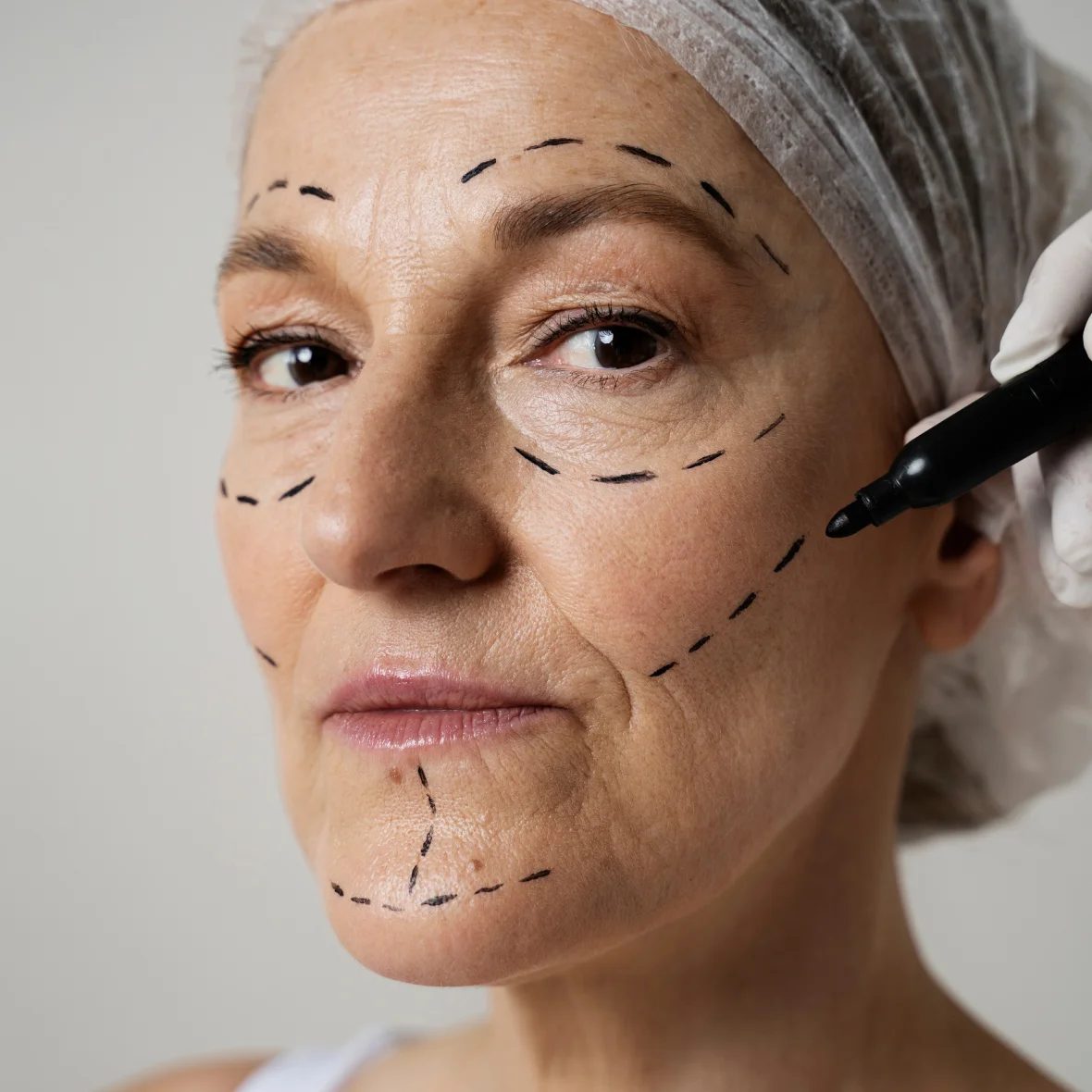

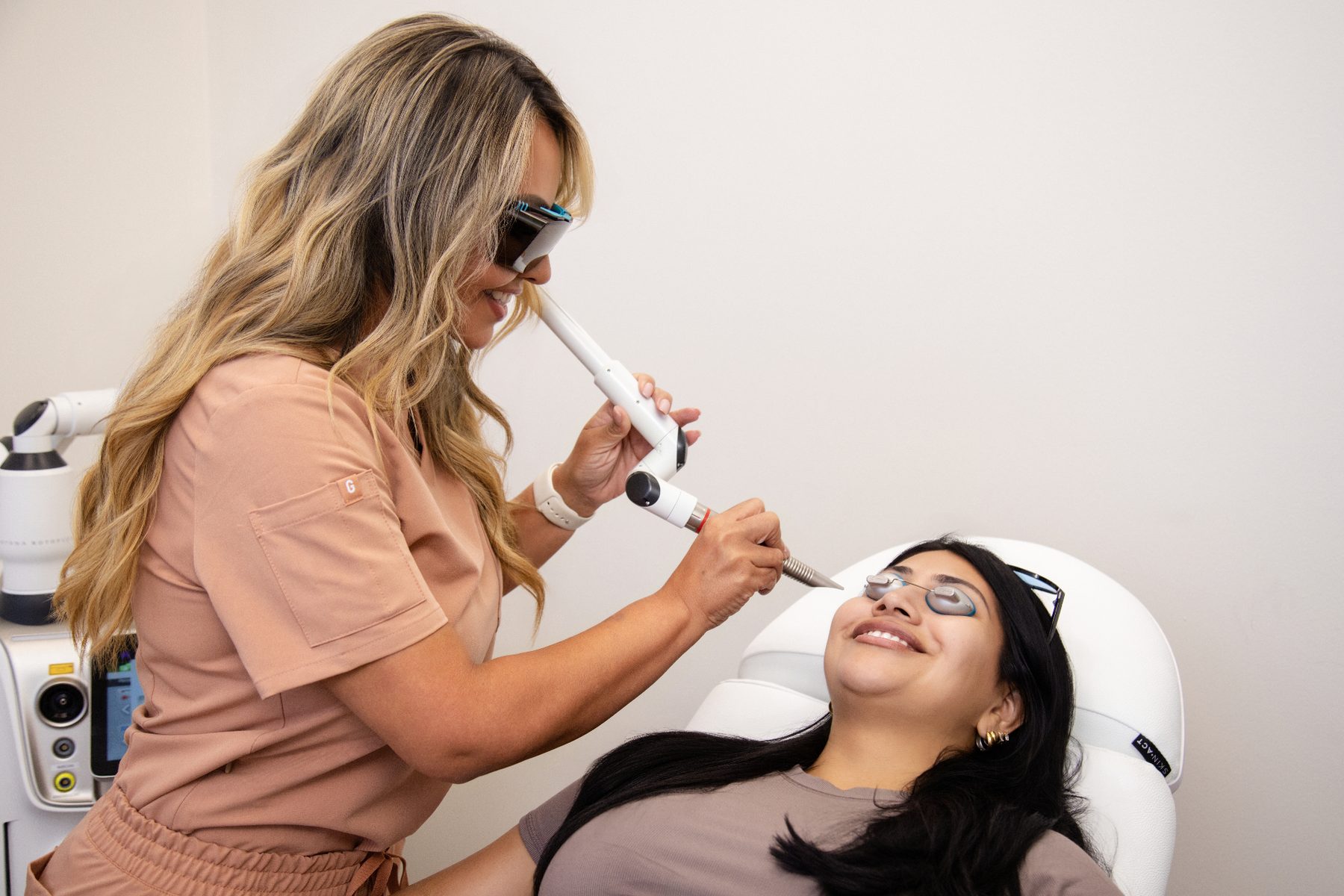
The short answer is yes, it can help, but only if the goal is understood correctly.
A Fotona 4D Laser Facial (TimeWalker) is not a time machine, and it does not freeze the face at 35 forever. What it can do, in the right patient and with the right treatment plan, is support skin quality in ways that make premature aging less likely to show up as early, or as aggressively, as it otherwise might. That distinction matters. Prevention in aesthetics rarely means stopping biology. It usually means slowing visible decline, preserving stronger skin architecture, and reducing the compounding effects of sun exposure, collagen loss, chronic inflammation, and repeated facial movement.
I have seen the strongest results in patients who approach laser treatments the way they approach exercise or dental care. They do not expect one dramatic intervention to carry them for years. They use treatment strategically, often starting before deep lines and laxity are entrenched, and they combine it with sensible basics like sunscreen, topical retinoids when tolerated, and realistic maintenance. In that setting, the Fotona 4D Laser Facial (TimeWalker) can be genuinely useful.
What “premature aging” actually looks like in practice
Premature aging is one of those phrases that gets used loosely. In the treatment room, it tends to show up as a pattern rather than a single issue. Someone in their early 30s may not have severe wrinkles, but their skin already looks thinner, duller, looser around the lower face, or etched with fine lines that seem older than their age. Another person may have a strong bone structure and very few lines, yet obvious sun damage has left their skin texture coarse and uneven.
Aging itself is inevitable. Premature aging usually means the visible signs are arriving earlier or progressing faster than expected for that person’s age, genetics, and facial structure. The common drivers are familiar: ultraviolet exposure, smoking or vaping, inconsistent sleep, stress, chronic dehydration, pollution, repetitive squinting, aggressive weight cycling, and neglect of daily photoprotection. Genetics also play a major role. Some people lose collagen early and rapidly. Others hold onto firmness surprisingly well, even with imperfect habits.
The reason prevention matters is that small changes accumulate. Early collagen depletion does not announce itself loudly. It starts subtly, with a crepey texture under the eyes, softening along the jawline, lipstick lines that linger after the mouth relaxes, or nasolabial folds that seem slightly more fixed each year. Once those structural changes are advanced, treatment becomes more complicated and often Fotona 4D Laser Facial (TimeWalker) more expensive.
Where Fotona 4D fits into the anti-aging landscape
The Fotona 4D Laser Facial (TimeWalker) is appealing because it aims to address aging from multiple angles within one system. Depending on the exact protocol used by the clinic, it combines intraoral and external laser modes to target tissue tightening, collagen stimulation, Fotona 4D Laser Facial (TimeWalker) texture refinement, and surface irregularities. The “4D” concept refers to layering different treatment modes rather than relying on a single pass or a single depth.
This matters because aging is not one-dimensional. Fine lines at the surface, volume descent in the midface, textural roughness, and lower-face laxity do not all respond to the same energy level or the same treatment approach. A platform that can work from inside the mouth and on the skin surface has practical advantages, especially for patients who want modest lifting and rejuvenation without injectables or surgery.
That said, marketing can oversimplify what the treatment can realistically do. It is better to think of Fotona 4D as a collagen-remodeling and skin-quality treatment than as a substitute for a facelift, deep resurfacing, or significant volume restoration. Patients who understand that tend to be happiest.
How the treatment is supposed to work
Most TimeWalker protocols use a sequence of laser modes that target different tissue depths. One of the signature elements is the intraoral portion, where energy is delivered inside the mouth to heat tissue and encourage tightening in areas that influence the nasolabial folds and lower face. Then external passes work more superficially or at intermediate depths to support collagen remodeling, improve texture, and brighten the skin.
Heat is the essential mechanism here. Controlled thermal injury, delivered precisely, can stimulate fibroblasts and prompt new collagen formation over time. That process is not instant. A patient may leave looking a bit tighter or fresher because of immediate tissue contraction and mild swelling, but the more meaningful change usually develops gradually over several weeks to a few months.
This delayed timeline is one reason some people underestimate preventive treatments. If a patient waits until they want a dramatic correction, subtle collagen support can feel underwhelming. If they begin when the skin is just starting to thin or sag, the same treatment may preserve a firmer baseline and help them stay ahead of faster decline.
Prevention works best before the skin is asking for rescue
This is where the Fotona 4D Laser Facial (TimeWalker) makes the most sense. Preventive laser therapy is usually not about reversing severe aging. It is about reinforcing skin that still has a decent collagen reserve.
Patients in their late 20s to early 40s often fall into the sweet spot, though age alone is not the deciding factor. A 29-year-old with heavy sun exposure and laxity may be a stronger candidate for prevention than a 42-year-old with dense, resilient skin and minimal environmental damage. The key question is not “How old are you?” but “What is your skin beginning to do?”
When I have seen this treatment work well as prevention, the patient typically has some combination of early perioral lines, mild lower-face softening, rough texture, enlarged pores, or a tired look that no longer resolves with sleep and moisturizer. They are not trying to erase a decade of aging in one session. They are trying to keep their skin functioning and behaving like healthier skin for longer.
That is a worthwhile goal, and it is often more realistic than chasing dramatic correction later.
The part many people miss: prevention is cumulative
No laser, including Fotona 4D, can outwork careless habits. If someone gets a laser facial twice a year but spends weekends tanning, skips sunscreen, smokes socially, and treats tretinoin like a seasonal hobby, the laser is doing repair work while the patient is actively creating new damage.
The patients who get the best preventive benefit tend to have a full routine that supports the treatment:
- Broad-spectrum sunscreen every day, not just in summer.
- Thoughtful skincare that supports collagen and barrier function.
- Maintenance treatments timed before aging changes become deep-set.
- Reasonable expectations about what non-surgical treatments can do.
- A provider who adjusts settings and intervals based on the skin in front of them.
That last point deserves more attention than it usually gets. Technique matters. A well-selected protocol on appropriate skin can produce elegant, natural improvement. A generic protocol applied without judgment can lead to disappointment, unnecessary irritation, or changes too subtle to justify the cost.
What kinds of premature aging changes may improve
When people ask whether the treatment can “prevent aging,” they often mean, “What exactly could it help me hold off?”
The answer depends on the person, but in general, the Fotona 4D Laser Facial (TimeWalker) has the best preventive logic for early laxity, fine lines, rough texture, enlarged pores, and mild dullness. It may also help soften the look of early smile lines and mouth-area creasing, especially when the intraoral component is part of the treatment.
Skin often looks better not because one wrinkle vanished, but because the whole surface appears denser, smoother, and more reflective. That can read as youthfulness even when facial anatomy has not changed much. A fresher texture, less crepiness, and mild tightening can create a more rested impression.
It is less reliable as a preventive strategy for issues driven mainly by volume loss, strong muscle pull, deep static folds, or significant jowl formation. If someone is already seeing marked hollowness, heavy descent in the midface, or etched lines at rest, laser alone may play only a supporting role.
What a good candidate usually looks like
There is no perfect candidate, but there are familiar patterns. Someone with mild to moderate early signs of aging, realistic expectations, and patience for gradual improvement usually does well. Skin type matters too. Laser settings and risks can vary depending on pigment level, tanning history, sensitivity, and any history of post-inflammatory hyperpigmentation.
A few practical examples help.
A 34-year-old who works indoors, uses sunscreen regularly, and has started to notice fine mouth lines and less bounce in the cheeks may be an excellent candidate. Their collagen reserve is still workable, and the treatment may preserve skin quality before deeper changes settle in.
A 46-year-old with substantial sun damage, pronounced laxity, and volume loss may still benefit, but the role shifts. In that case, Fotona 4D is more likely to be one piece of a larger plan, perhaps alongside injectables, stronger resurfacing, or surgery.
A 30-year-old with flawless skin who wants treatment purely out of fear may not need it yet. Prevention should be thoughtful, not reflexive.
What treatment feels like, and what downtime is really like
Most patients tolerate the treatment well, but comfort depends on the settings, the provider’s technique, and the patient’s own sensitivity. The intraoral phase feels unusual more than painful. External passes can create warmth, prickling, or a snapping sensation. Some clinics use topical numbing, some do not, and some reserve it for certain passes.
Downtime is usually manageable, which is one reason this treatment has become popular among working professionals. Mild redness and swelling are common. Some people look flushed for a day or two. If a resurfacing component is included more aggressively, there may be a sandpapery feel, temporary dryness, or light flaking over several days.
What often surprises first-timers is how variable recovery can be. One patient may do the treatment on Friday and feel presentable by Saturday evening. Another may stay pink and slightly puffy into day three. This is still generally far easier than ablative laser recovery, but “lunchtime treatment” can be an overstatement if someone has a big event right after.
How many sessions are usually needed
A single session can freshen the skin, but preventive anti-aging is usually built around a series and then maintenance. The exact schedule depends on age, baseline skin quality, and how assertive the chosen protocol is. Some clinics recommend three sessions spaced several weeks apart. Others tailor timing more conservatively.
The key idea is that collagen remodeling is cumulative. One treatment may start the process, but repeated stimulation often produces a more durable effect. That becomes especially relevant for prevention, where the goal is not rescue but upkeep.
Patients sometimes balk at maintenance because the change is gradual and not always dramatic in photos. Yet this is exactly how many good preventive strategies work. You do not always see a dramatic before-and-after. Instead, you notice that the skin is holding its quality better over time than it otherwise would.
The trade-offs people should weigh honestly
The treatment sits in an interesting middle ground. It is less invasive than surgery and generally gentler than some heavy resurfacing lasers, but it is also less transformative. That is either a strength or a limitation depending on the patient’s goals.
There are a few trade-offs worth stating plainly.
First, the results can be subtle, especially after one session. That is not necessarily a flaw. For prevention, subtle can be appropriate. Still, subtle treatments can feel expensive if the patient expects a dramatic tightening effect.
Second, provider skill matters more than many people realize. A platform may be excellent, yet outcomes vary because settings, sequencing, patient selection, and treatment intensity vary.
Third, it is not ideal for every skin concern. If someone’s main problem is deep pigmentation, vascular redness, or significant sagging, a different treatment may offer a better return.
Fourth, maintenance is part of the bargain. This is not a once-in-a-decade intervention.
Risks and limits, without sugarcoating
Compared with more aggressive laser procedures, Fotona 4D is often described as relatively low downtime, and that is fair. Low risk, however, does not mean no risk. Temporary redness, swelling, dryness, tenderness, and flaking are all possible. Acne-prone patients can occasionally flare after thermal treatments. Those prone to pigment changes need careful assessment and conservative planning.
The most common disappointment is not a medical complication but an expectation mismatch. Some patients hear “tightening” and picture a visible lift in the jawline that rivals surgery. Others hear “laser facial” and assume it is little more than a glow treatment. The reality sits between those extremes.
A careful consultation should cover what the device can realistically improve, what it probably will not, and how many sessions are likely needed. If that conversation feels vague or overpromised, it is worth slowing down.
How it compares with other anti-aging options
It helps to place the treatment in context. Neuromodulators relax muscles that create dynamic expression lines. Fillers restore or mimic lost volume. Radiofrequency and ultrasound-based devices target tightening through heat delivered in different ways. Fractional resurfacing can produce stronger texture change, often with more downtime. Surgical lifting addresses deeper tissue descent in a way no non-surgical treatment can fully replicate.
Fotona 4D occupies a useful niche because it combines tightening and skin-quality improvement with relatively moderate downtime. It can be a strong choice for patients who want a multi-layered refresh without injectables or who want to support their injectable results with better skin structure.
That does not mean it is automatically the best preventive treatment for everyone. A 32-year-old whose main issue is frown lines may get more preventive value from a conservative neuromodulator plan and disciplined sunscreen use. A 38-year-old with early textural aging and lower-face softness might benefit more from Fotona 4D. The right answer depends on what is driving the visible aging.
The overlooked value of treating early, but not too early
There is a narrow but important line between preventive care and overtreatment. The best aesthetic plans respect that line.
A patient does not need to start every available device the moment they notice a small fine line. Preventive medicine is not maximalism. The goal is to intervene when the skin will meaningfully benefit, not when anxiety demands action.
In practice, that often means starting when there is evidence of change that is still mild and modifiable. The skin has become less firm. Makeup sits differently around the mouth. Pores appear larger than they used to. The lower face photographs a little softer from the side. These are reasonable moments to consider a treatment like Fotona 4D.
Starting too late makes results harder. Starting too early can make the treatment unnecessary.
Questions worth asking before booking
A consultation is not just a sales step. It is where the real quality control happens. A good provider should be willing to discuss not only why you are a candidate, but why you may not be.
Ask practical questions that reveal judgment rather than marketing:
- Which specific concerns in my skin are you treating with this protocol?
- How many sessions do you expect I will need for prevention versus correction?
- What results are realistic for my level of laxity and texture?
- What is the downtime for the settings you plan to use on me?
- Are there better alternatives for my main concern?
The answers should sound specific. “You’ll look younger” is not specific. “I think we can improve early lower-face laxity and fine lines around the mouth, but you will still have some fold depth because that part is structural” is much more trustworthy.
So, can it help prevent premature aging?
For the right patient, yes.
The Fotona 4D Laser Facial (TimeWalker) can help slow the visible progression of early aging by stimulating collagen, improving texture, and supporting mild tightening before laxity becomes advanced. Its preventive value is strongest when used as part of a broader strategy, not as a stand-alone miracle. It works best on skin that still has enough resilience to respond well, and it tends to reward consistency more than one-off enthusiasm.
If someone wants dramatic lifting, major volume restoration, or deep wrinkle correction, this is probably not enough on its own. If someone wants to maintain firmer, smoother, healthier-looking skin and address the first meaningful signs of decline, it is a credible option.
That is the honest middle ground. Not hype, not dismissal. Just a useful tool, applied well, at the right time.
OMNIA Wellness Center
Address: 16430 Ventura Blvd Ste 207, Encino, CA 91436
Phone: (818) 386-8511
FAQ About Fotona 4D Laser Facial (TimeWalker)
What are the benefits of Fotona laser treatment?
OMNIA offers this treatment for concerns such as uneven texture, dull tone, and fine lines. Results and the number of sessions vary, so discuss your goals with a provider.
Is Fotona laser safe?
A qualified provider should review your skin, medical history, medications, and recent sun exposure to determine whether the treatment is appropriate. Ask about possible irritation, pigment changes, and aftercare before booking.
How much does a Fotona 4D facelift cost?
Price depends on the treatment plan and number of visits. Ask OMNIA for an itemized estimate during your consultation.